
Why Mental Wellness Should Be a Core Part of Every Student's Routine
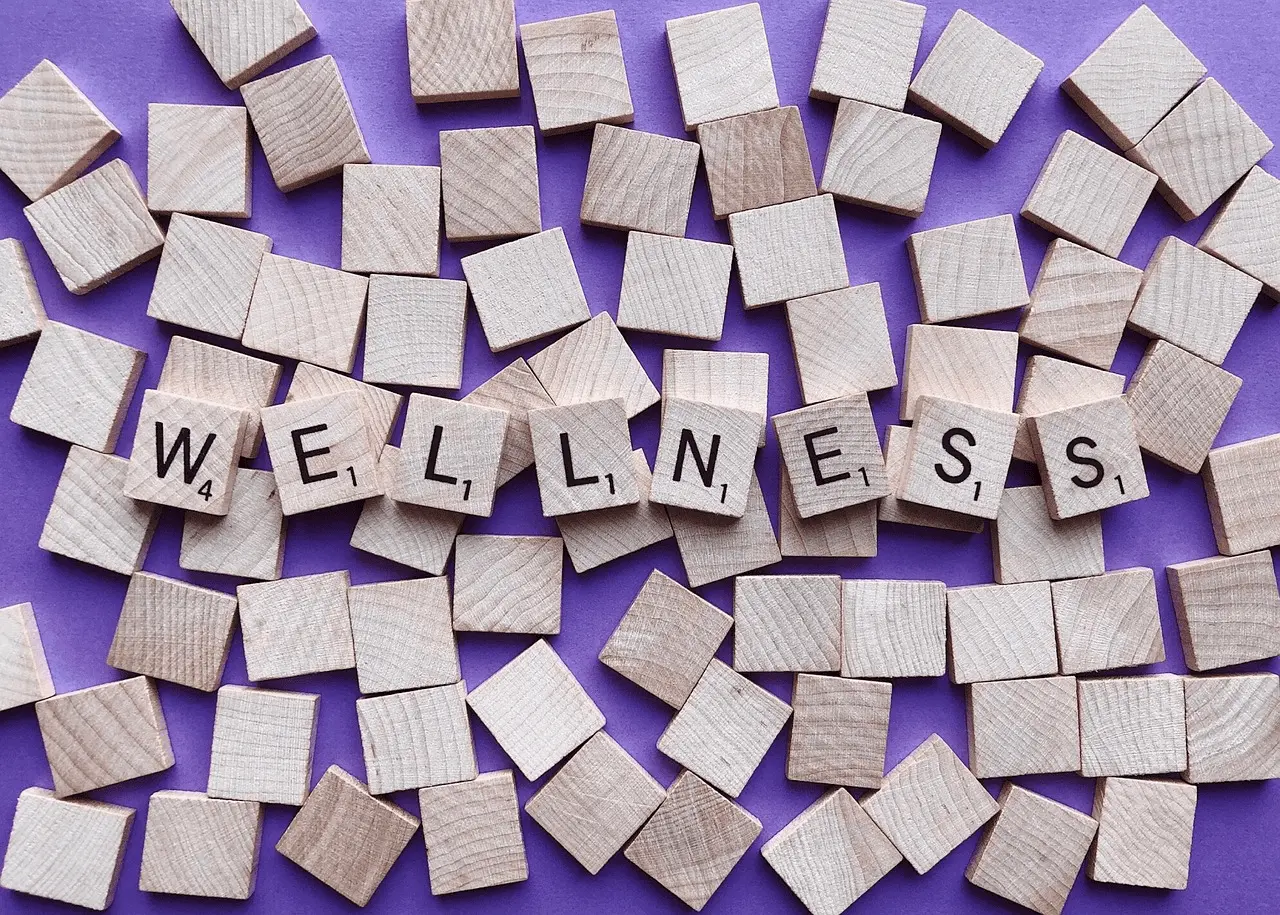
School should be one of the best times of a young person's life.
However, that couldn't be farther from reality for many children nowadays. The amount of student anxiety and depression has reached levels that schools and parents can't ignore. With intense work loads, social stress, and endless technology students are overwhelmed.
Here's the good news...
Turning mental health into a daily habit has the potential to transform the ways students learn and develop coping skills. Mental wellness should be as routine as brushing your teeth or doing homework.
Below, you'll find exactly why it matters and how to make it happen.
Here's What's Covered:
- Why Mental Wellness Matters For Students
- The Real Numbers Behind The Crisis
- 5 Daily Habits That Build Strong Mental Health
- How Schools Can Step Up
Why Mental Wellness Matters For Students
Mental wellness is more than just feeling happy all the time. This includes coping with stress, forming healthy relationships, and recovering from bad days. Mental wellness allows students to keep themselves level when life piles on the issues. As a student, that translates to being able to:- Focus during class
- Manage exam pressure
- Get along with friends and family
- Make smart decisions
The Real Numbers Behind The Crisis
The statistics tell a story that should worry every parent and teacher. The most recent Healthy Minds Study found that 37% of college students reported moderate to severe depressive symptoms in 2025. Additionally, almost 1 in 3 college students felt moderate or severe anxiety. This means that every day, 1/3 of young adults struggle with severe mental health issues. It's not just college students either. The CDC reported that 40% of high school students experienced persistent feelings of sadness or hopelessness. Nearly half of all teens across the US. What's driving these numbers up? A few big things:- Social media pressure -- constant comparison and online drama
- Academic stress -- heavier workloads and tougher competition
- Sleep loss -- late nights from screens and study sessions
- Less face-to-face time -- more screen time, less real connection
5 Daily Habits That Build Strong Mental Health
Building mental wellness doesn't need to be complicated. When you think of good habits you want to build, the ones that likely come to mind are simple. In fact, the best habits are typically the simplest ones. It's just a matter of doing them day in and day out. Below are five habits all students should incorporate into their daily lives.Get Enough Sleep
Sleep is the foundation of good mental health. It's hard to do anything when you don't get enough sleep. Your mood suffers. You can't concentrate. You become anxious. Most teens require 8-10 hours of sleep every night. The fix is straightforward:- Set a regular bedtime
- Put phones away an hour before bed
- Keep the bedroom dark and cool
Move Every Day
Exercise is nature's antidepressant. It is one of the strongest weapons you have to battle anxiety and depression in students. It doesn't have to be vigorous. Going for a 20-minute walk, riding your bike or shooting some hoops can elevate your mood quickly. Exercise releases positive mood enhancers in the brain that naturally elevate happy feelings and decrease stress. The goal is simple. Get the body moving every single day.Eat Real Food
What students eat directly affects how they feel. Sugar snacks and processed foods lead to mood swings, brain fog and fatigue. Fueling up with whole foods such as fruits, vegetables, lean protein and whole grains helps your brain function optimally. A few easy swaps to start with:- Water instead of soda
- Nuts instead of chips
- Fruit instead of candy
Practice Mindfulness
Mindfulness is just paying attention to the present moment. Mindfulness doesn't have to be complicated. Five minutes a day of focused breathing, journaling or sitting in silence can help students learn to better cope with stress. Downloadable apps and YouTube videos teach beginners the fundamentals at no cost.Stay Connected
Strong relationships are one of the biggest protectors of mental health. Students with a sense of connection to family, friends, and teachers are dramatically less likely to experience anxiety or depression. That translates into taking the time for meaningful conversations, putting away phones at dinner, and calling up a friend you trust when you're feeling down. Remember: No one should feel alone in their struggles.How Schools Can Step Up
Schools play a huge role in student mental health. Educators and school counsellors work with students for hours each day. This puts them in a unique position to identify issues early on and provide support. The most successful schools are approaching mental health as you would any other core curriculum. Here's what schools can do:- Train teachers to recognize signs of mental health struggles
- Offer counselling that students can access without stigma
- Build mental health into the curriculum with lessons on coping skills
- Create safe spaces where students can talk openly about feelings
- Partner with professionals for ongoing support
Bringing It All Together
Mental wellness isn't a luxury for students. It's a necessity. Students are experiencing higher and higher rates of anxiety and depression every year. Now is the time to take action. The best part? Small daily habits can make a huge difference:- Get good sleep
- Move every day
- Eat real food
- Practice mindfulness
- Stay connected with others

Vishwanath Sheshachala
Founder & Chairman, SVG Educational Foundation
Founder & Chairman of SVG Educational Foundation, which runs SVG Centre of Excellence PU College in Mysuru, and Chairman of Inspiration PU College, Puttur.